Adventurer announces significant updates including “next gen” redesigns inside and out, Azdel composite wall construction, the new Camp Cot bunk, acrylic windows standard, 12-volt refrigerators standard, Truma systems standard, and more. Adventurer is on the move.
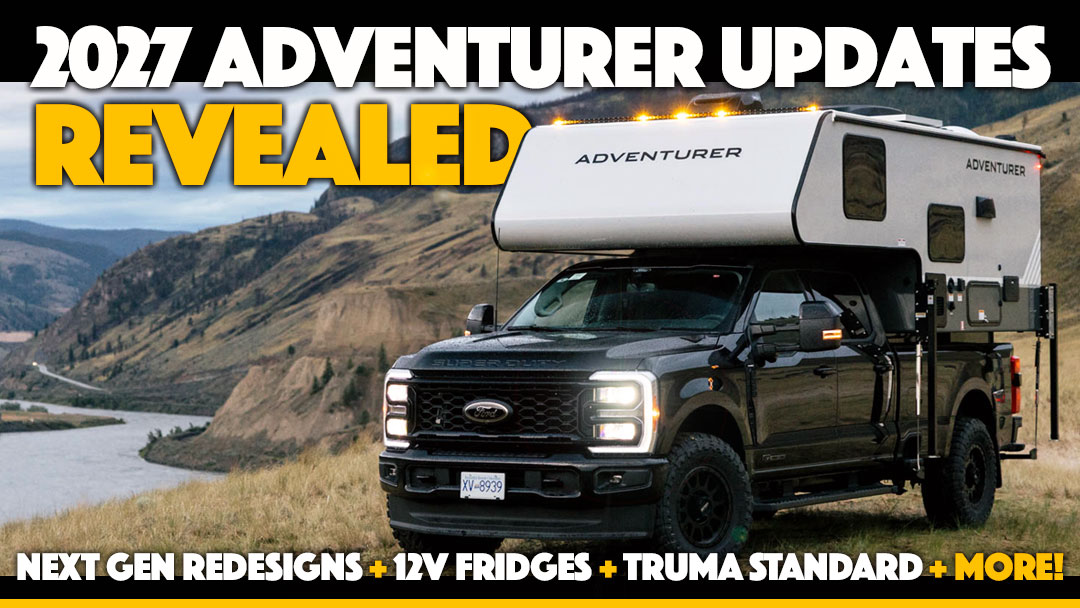
The Adventurer truck camper brand has been on a notable comeback run for the better part of three years. After a multi-year pause in new models and major updates, the resurgence began with a model year refresh in August 2023 featuring updated cabinetry, new exterior graphics, and additional standard features.
That announcement was followed by the return of the 89RB and 89RBS in November 2024, the announcement of the 80RB Overland Edition in December 2024, the debut of the all-new 65RB in August 2025, and the return of Adventurer Eagle Cap in October 2025.
For 2027, Adventurer Manufacturing is taking Adventurer’s momentum to the next level with a substantial list of across-the-board upgrades. Highlights include dramatically redesigned interiors and exteriors, acrylic windows with integrated screens and shades, Richlite composite countertops and surfaces, Azdel composites, 12-volt refrigerators, and Truma systems—all standard.
The 2027 Adventurer line also gains Triple Seal Protection (TSP), upgraded fabrics, cushions, and mattresses, Starlink pre-wiring, and a modular Camp Cot bunk system option. The message from Adventurer Manufacturing is clear; Adventurer is on track and moving forward.
To learn more about the 2027 Adventurer model year updates, we talked to Nick Africano, Director of Marketing at Adventurer Manufacturing.
Click here for a 2027 Adventurer brochure
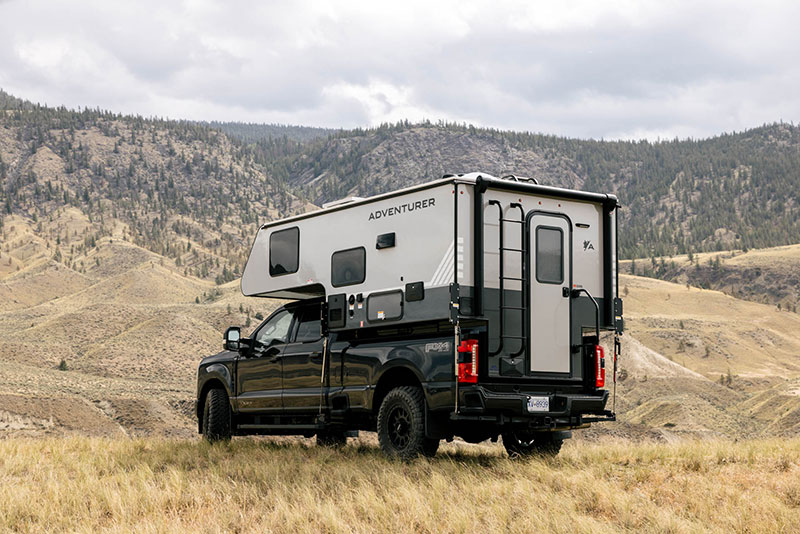
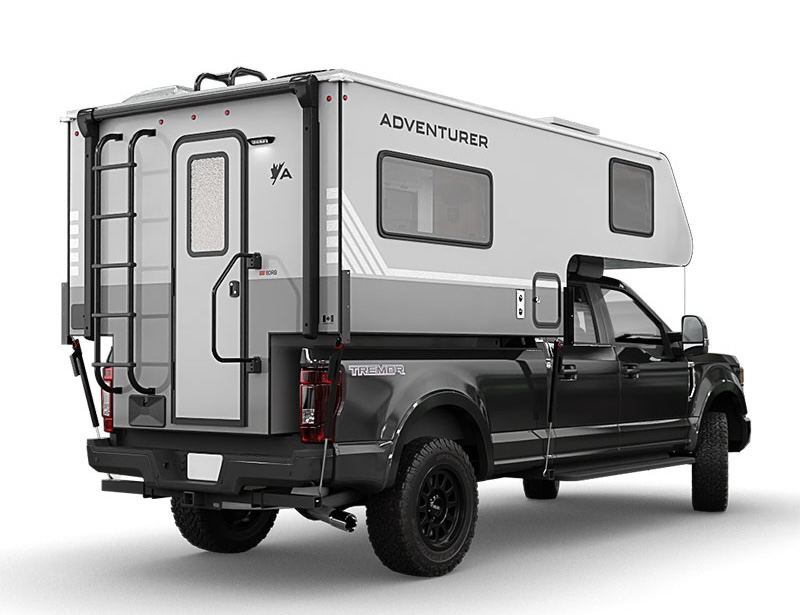
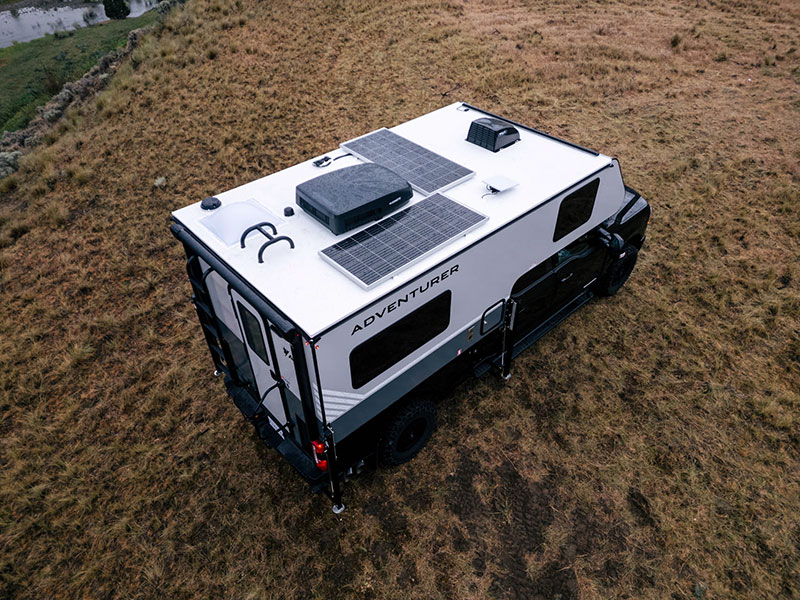
The 2027 Adventurer 80RB, photos and renderings courtesy of Adventurer Manufacturing
This is the biggest Adventurer model year update news we’ve seen in some time. What’s driving this change?
There’s a major focus on Adventurer right now. As a legacy manufacturer and the company’s namesake product line, Adventurer carries a long history and a lot of pride for everyone involved—from engineering to the production line.
We felt it was time to make a significant investment in the brand by modernizing the product while staying true to what Adventurer has always stood for: durability, true four-season capability, and long-term reliability.
Customer expectations are evolving, and these updates reflect our commitment to meeting those expectations while honoring the legacy built over three generations.
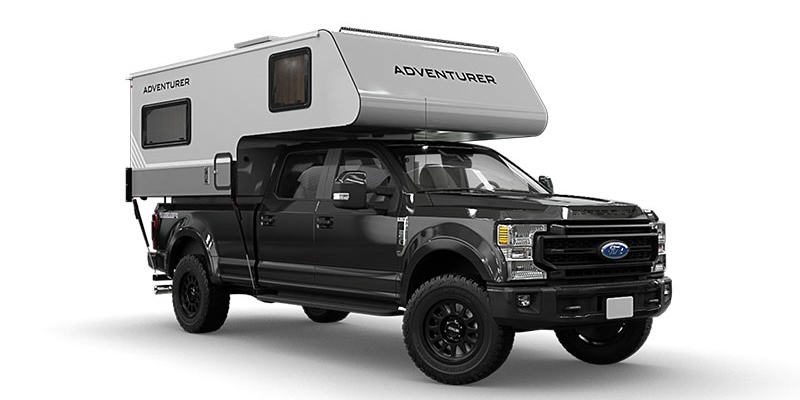
Adventurer is calling this the ‘next generation aesthetic’. Tell us about the goals for the new look.
The goal was to create a cleaner, more modern design inside and out while moving away from the “white box with swooshy graphics” look that dominates so many dealer lots.
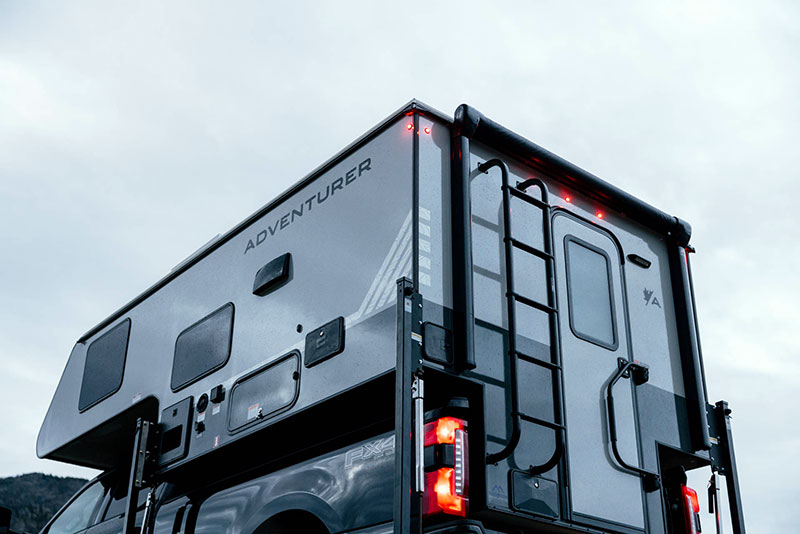
On the exterior, Adventurer worked with a professional product designer to develop a more cohesive look with updated colors, lines, and logo sizing that stands out in person and looks better on the truck. The idea was to create something owners feel connected to for years to come.
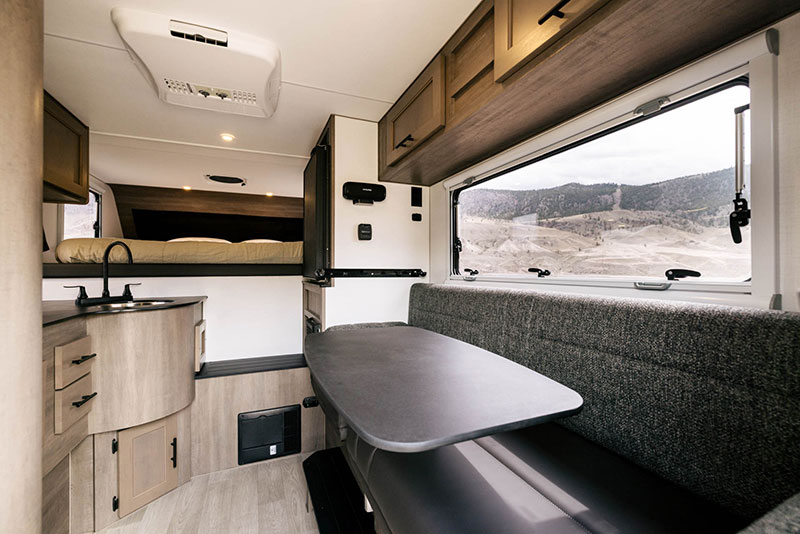
Inside, the redesign focused not only on aesthetics, but also on improving long-term material and component choices for better durability, comfort, and overall owner experience. Every model in the lineup is being updated with a more unified interior design featuring new countertop materials, bed and couch fabrics, flooring, and acrylic windows with integrated shades and blackout systems.
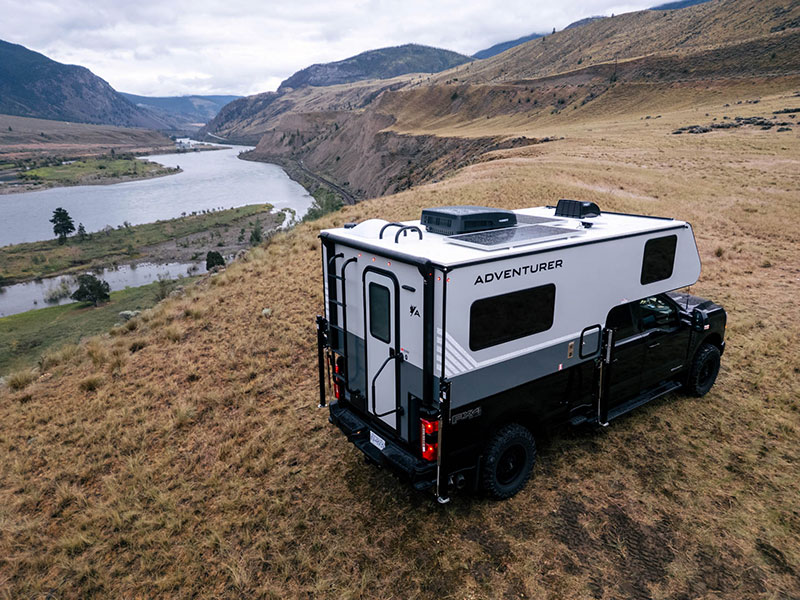
With the new grey exterior, windows, and minimal graphics, some might think the new look was influenced by Adventurer’s Scout line. Did the Scout line influence Adventurer’s new look?
They’re really two different products designed for different purposes. Scout is focused on lightweight simplicity and a very stripped-back approach, while Adventurer is geared more toward comfort and long-term livability.
That said, we are seeing consumers respond to cleaner, more intentional design, and that absolutely influenced the direction of the new Adventurer aesthetic.
The goal wasn’t to make Adventurer look like Scout, but to modernize the product in response to where the market is going and what customers now expect. The redesign also draws inspiration from modern outdoor product design, with premium materials chosen for both durability and function.
From the beginning, David Epp’s vision as CEO of Adventurer Manufacturing was for our campers to look different from the standard RV designs that haven’t evolved in years. Customers want better, and this redesign reflects that.
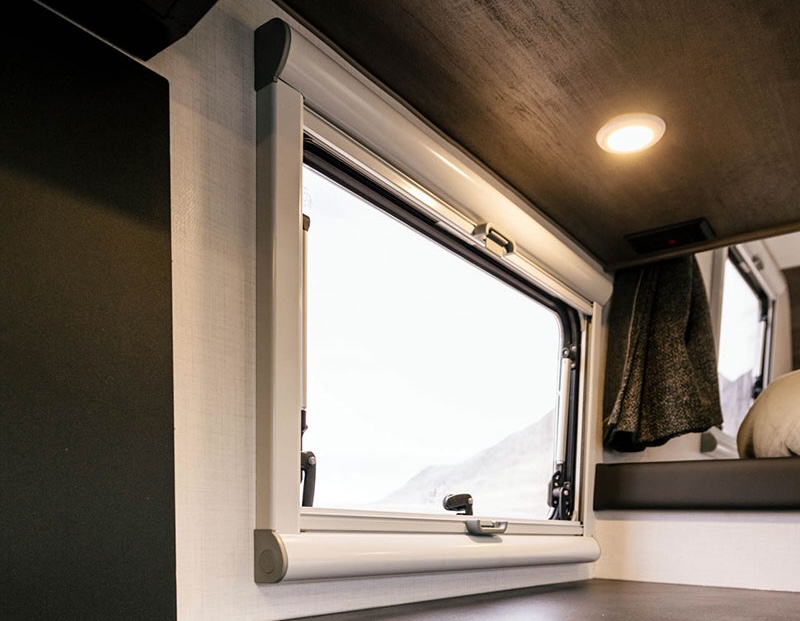
Adventurer is updating the windows across the entire line to acrylic insulated windows. Why is this an important change for 2027?
The new acrylic insulated windows improve thermal performance, reduce condensation, and create a quieter, more comfortable interior in all climates. With integrated screens and blackout shades, they also add everyday convenience.
Just as importantly, the larger, more modern design creates a much stronger connection to the outdoors and gives the campers a warmer, more contemporary feel both inside and out.
For 2027, Adventurer is announcing a move to composite construction across the board, including Azdel composite panels. What advantages did Azdel offer that led to that decision?
At Adventurer Manufacturing, we’re committed to making our campers stronger, lighter, and better every year. The biggest construction change for 2027 is the transition away from traditional luan-backed wall panels to Azdel composite construction.
In previous designs, luan served as the wood substrate between the insulation and framing in the laminated wall panels. For 2027, we’ve replaced those luan panel components with Azdel composite material, which offers several important advantages including reduced weight, improved moisture resistance, and better long-term durability as a non-organic material.
For us, it was the right move to further support the kind of four-season reliability, longevity, and overall performance Adventurer customers expect from our campers.
Is Adventurer still using wood framing for some models?
Adventurer’s core framing designs remain consistent based on the needs of each floor plan. The 65RB, 80RB, and 89RB continue to utilize wood framing, while the 89RBS and 901SB use aluminum framing. The combination of wood and aluminum framing is still the best fit for certain cabinetry, structural, and feature integration requirements depending on the model.
Did the move to Azdel decrease the weight of the units?
Yes, Azdel is lighter than the luan previously used in our wall construction. That said, many other updates are happening across the lineup that add and reduce weight, so we’re waiting until production units are finalized before publishing exact model-by-model weight differences.
Another build change for 2027 is a new triple seal protection (TSP) system. Tell us about triple-seal protection and how it’s an improvement over what Adventurer had been using.
In previous years, some models utilized double-seal construction while others received the full triple-seal (TSP) treatment due to the additional cost and production steps involved. For us, it ultimately came down to a simple decision—if we want our campers to last for the long haul, every model needs the same level of protection.
TSP combines multiple sealing materials and processes, including Sikaflex, butyl tape, and additional sealing compounds.
Different materials are used for specific layers and seal points because each serves a different purpose. There’s a lot of intention behind the system. We’re using what we believe are the best materials possible for each connection point to maximize long-term durability and weather resistance.
The first TSP seal utilizes Sikaflex 232 where walls and corners meet. Why Sikaflex 232?
Sikaflex 232 serves as both an adhesive and a sealant. That means it not only creates a moisture barrier but also adds structural strength at key panel joints. It also performs extremely well in changing temperatures and road conditions, which is important for a truck camper that’s designed to see year-round use.
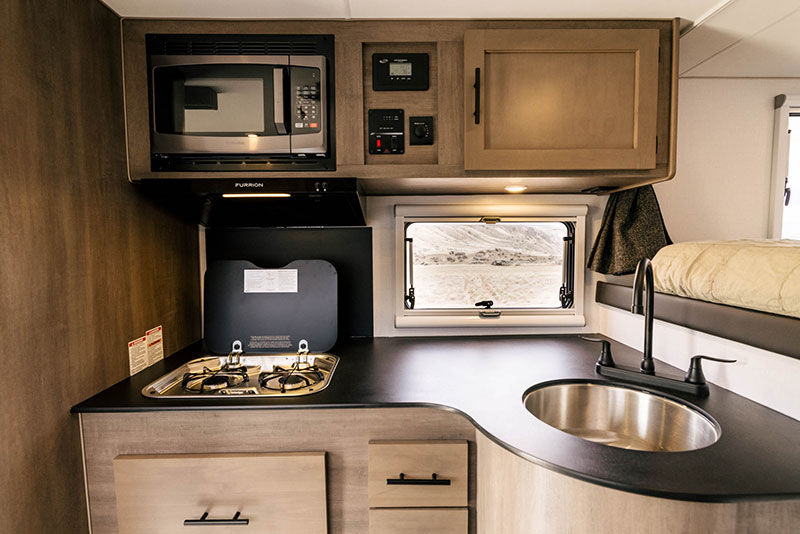
Adventurer is using Richlite surfaces for the 2027 line. What did Richlite offer that made their surfaces and materials the right choice?
Richlite gave us a really strong combination of durability, sustainability, and a high-end feel. We believe it’s one of the most premium and durable surface materials currently being used in the truck camper industry.
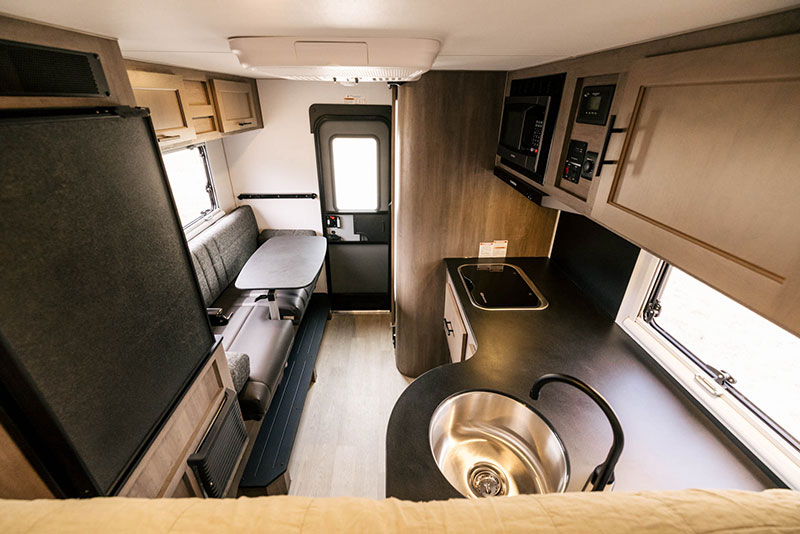
Is Richlite the same compressed resin-infused paper material used for the Scout line?
Yes, it’s the same Richlite material technology that has performed extremely well in our Scout lineup, although we’re using a different specification tailored specifically for truck campers. In many ways, it feels like this material was made for this application. It’s thin, highly durable, scratch resistant, and well beyond the level of countertop materials typically found in truck campers today.
We strongly stand behind Richlite because of both its appearance and long-term performance. Richlite is designed to hold up exceptionally well to real-world camper use. It’s a material we feel confident using across the Adventurer lineup.
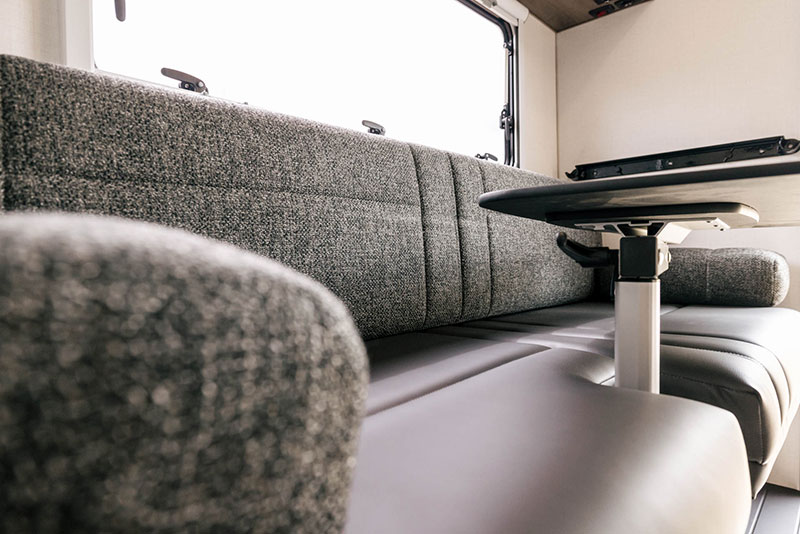
Adventurer has also improved the ‘soft goods’ in the 2027 line. What soft goods are being changed?
We updated the cushions, fabrics, bedding, and overall material selections to create a more comfortable and refined interior experience. A major goal for 2027 was to unify material choices across the lineup so every Adventurer feels cohesive and built to the same elevated standard.
In the past, there was a wider mix of materials and finishes between products. For 2027, we applied what we’ve learned from Scout and Overlander and focused on bringing proven, long-lasting materials into the Adventurer lineup. That includes new bed coverings, updated mattresses, new couch fabrics, and improved soft-touch materials throughout the interior.
Some of these changes are certainly aesthetic. The campers look more modern and feel different inside. The bigger focus is using materials we believe will hold up well over time while creating a warmer, more comfortable ownership experience for both customers and dealers.
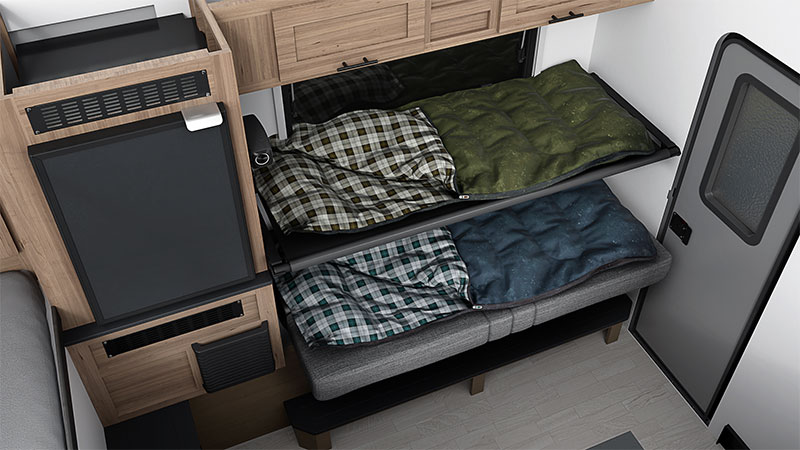
The new Camp Cot bunk system is an interesting feature. Why did you decide to offer this approach to a bunk over a traditional built-in drop-down dinette bunk?
We heard clearly from customers and dealers that Adventurer needed more bunk and family sleeping flexibility, but we didn’t want to add a bulky or heavy system that would get in the way of everyday living inside the camper. That led to the development of the Camp Cot system.
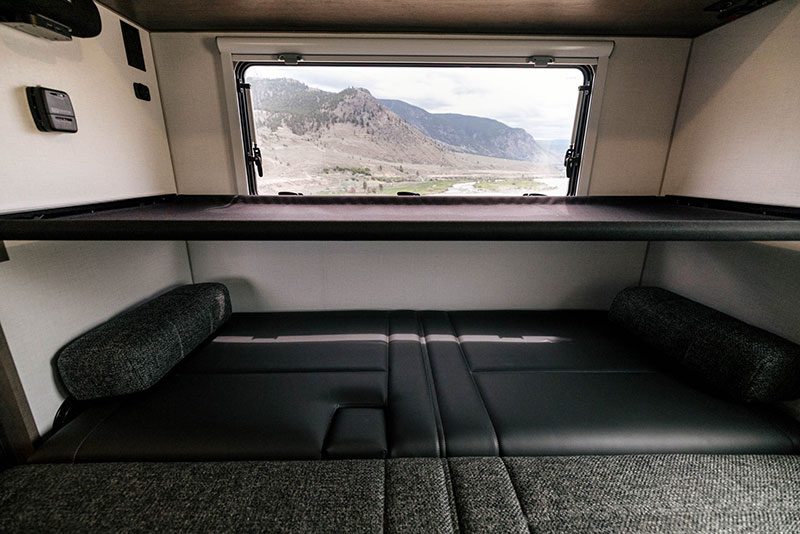
All models still feature traditional sleeping solutions like dinette and rollover sofa beds, but the Camp Cot adds an additional modular sleeping space using integrated wall-mounted bed rails and a lightweight cot platform. The entire system weighs around 10 pounds, installs in minutes, and can be quickly removed when not needed.
When not in use, the Camp Cot rolls up and stores in a dedicated storage area behind the roll-over sofa. This allows owners to easily switch between additional sleeping space and open living or cargo space without adding clutter or permanent bulk to the camper.
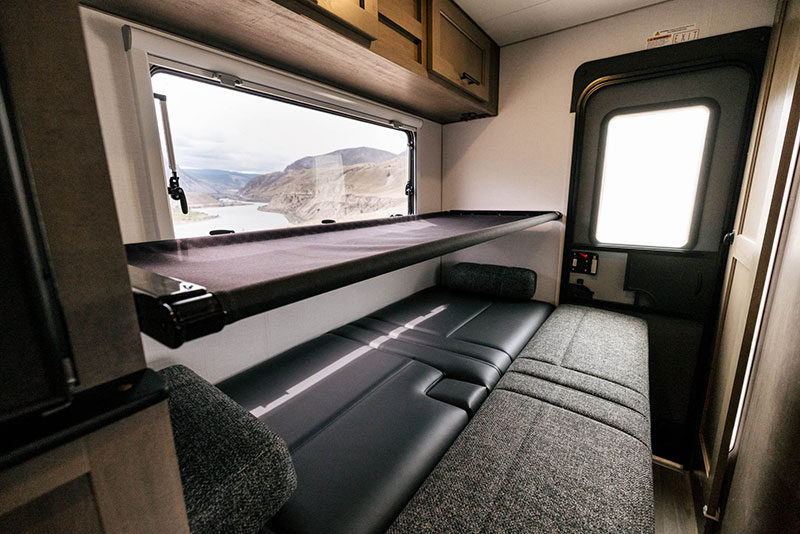
How much weight can the Camp Cot bunk system support?
The Camp Cot system was primarily designed as a sleeping solution for children and younger campers, and we currently recommend a maximum sleeping weight limit of 200 pounds. That said, the system is strong enough for adults to use comfortably, depending on individual size and use.
That’s cool. Have you had a chance to test it yourselves?
Yes, we’ve already spent time using the system ourselves. It’s surprisingly comfortable, especially when paired with a quality camp pad, and it feels like a genuinely usable sleeping space rather than an afterthought.
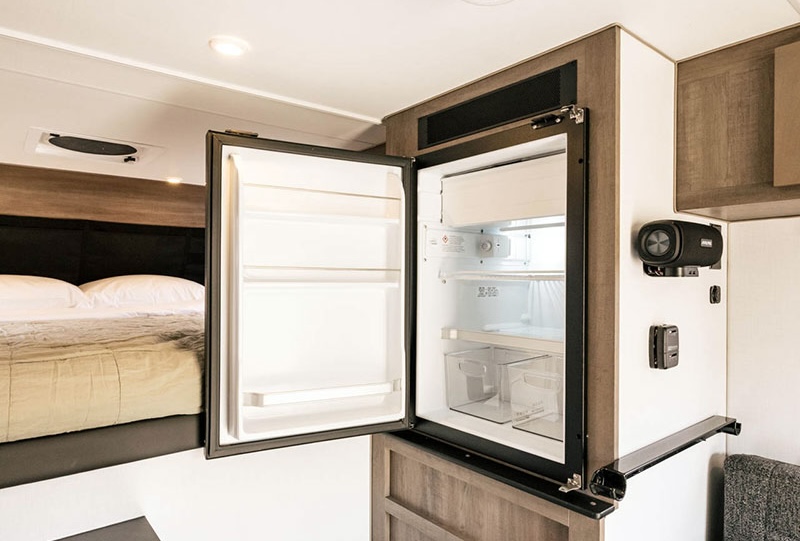
Is Adventurer moving exclusively to 12-volt refrigerators for 2027. What brought about this change?
A lot of that decision came directly from customer feedback and the continued shift toward lithium batteries, solar, and off-grid camping setups. Twelve-volt refrigerators work better with modern battery and solar configurations, are simpler to use, and are better aligned with how people are camping today.
This is part of a broader move toward improving the overall off-grid camping experience across the lineup. The new 12-volt refrigerators also feature updated capacities compared to some 2026 models, depending on the floor plan and configuration.
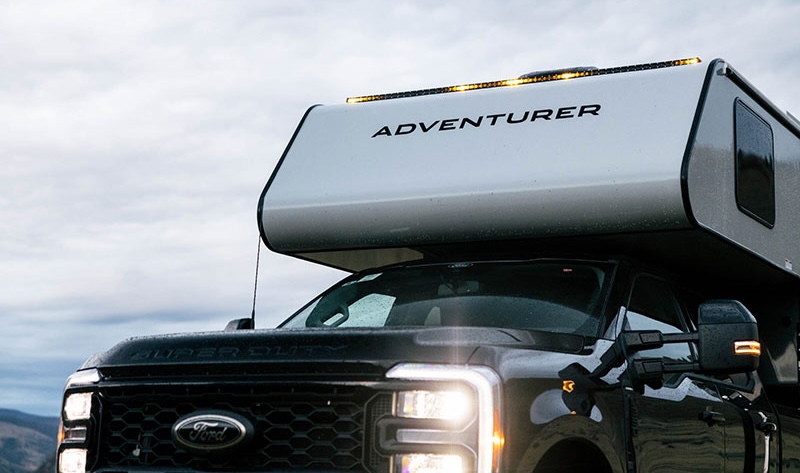
Another feature we noticed in the 2027 updates is the front exterior light bar. That’s a feature we first saw on the Scout line. Are you using the same Scout front light bar for the Adventurer line?
It’s a similar concept to the lighting system we’ve successfully used on Scout, but adapted specifically for the Adventurer lineup. We’ve tested the design extensively.
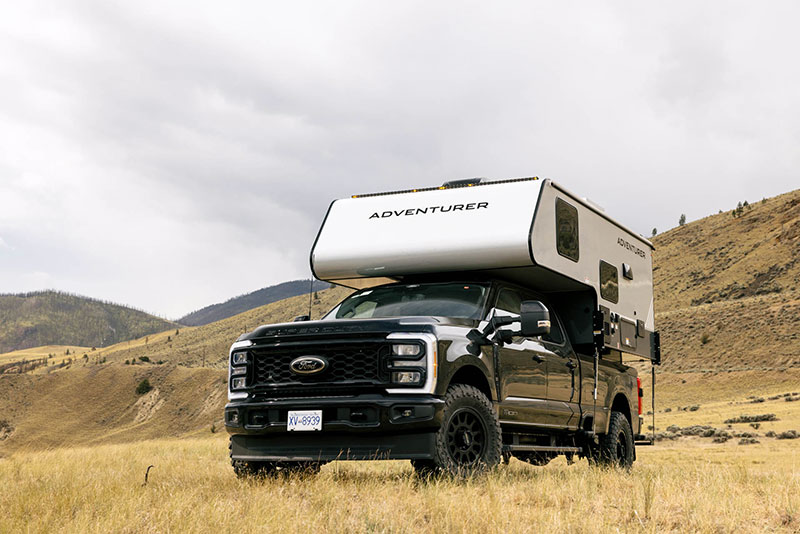
One major advantage is that it avoids creating additional potential leak points—namely, individual clearance lights—in the camper structure. Where the previous clearance lights required five entry points, the new light bar requires only one.
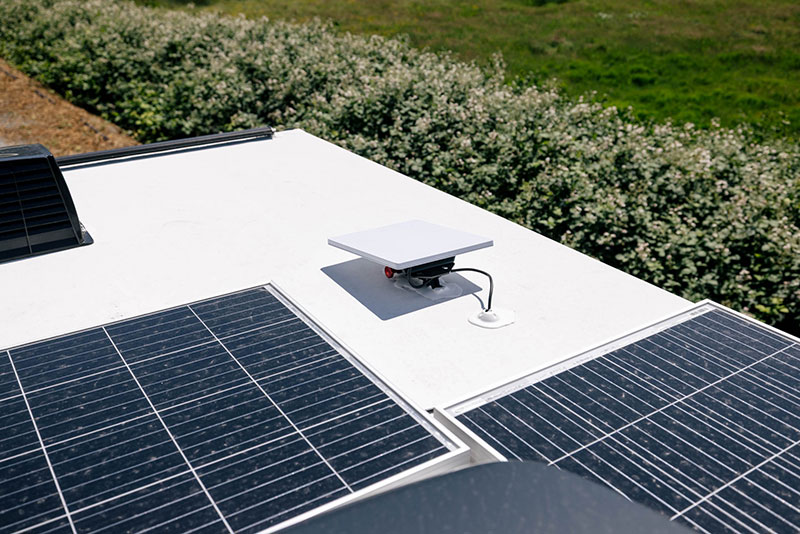
Tell us about the new Starlink compatible option. What does that include?
All 2027 Adventurer models come pre-wired for Starlink to simplify installation and eliminate the need for owners to run wiring themselves. For customers who want a cleaner and more integrated setup, we’re also offering an optional Starlink-ready package designed specifically around the Starlink Mini.
The Starlink-ready package includes a roof cable pass-through, a dedicated port, pre-wiring, and a quick-disconnect roof mount utilizing a suction cup mounting system. The goal is to make setup fast, clean, and easy for customers who want reliable connectivity while traveling and camping off-grid.
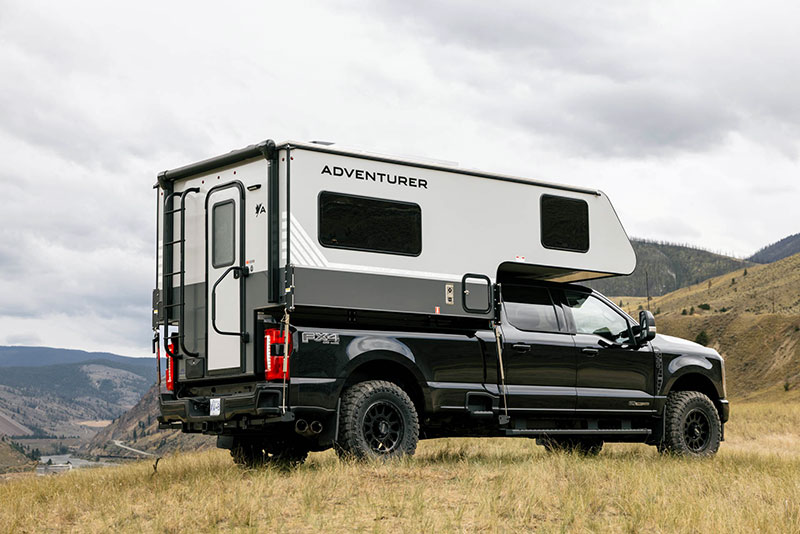
Does the 2027 Adventurer line include the Unbound Power Tower?
The Adventurer 65RB will continue utilizing the Unbound Power Tower (UPT) platform. It’s proven to be a great fit for that particular model. For the rest of the Adventurer lineup, our focus is on offering more flexible power system configurations tailored to different customer needs and camping styles.
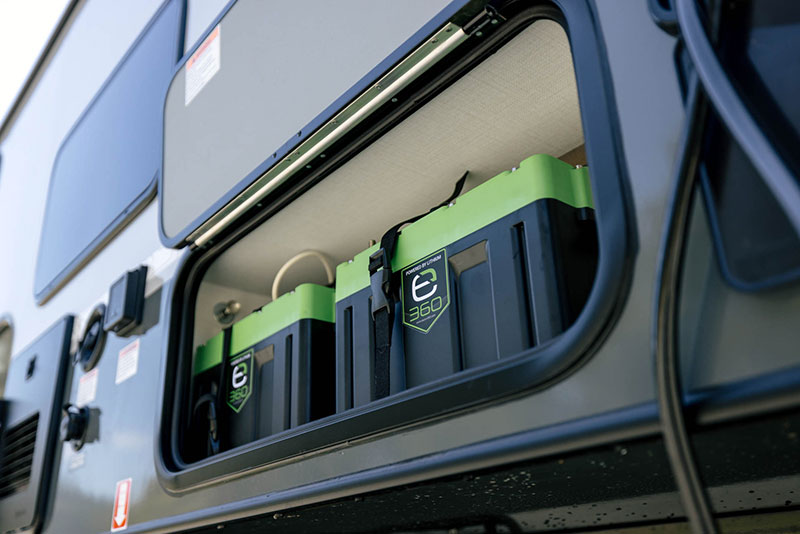
Across the lineup, customers will have access to available Expion360 lithium battery upgrades, with capacity for up to two 132Ah batteries depending on the model. We encourage customers to review the individual model specifications on our website to see the exact power system options and configurations available for each camper.
For 2027, the Adventurer line is getting Truma systems standard. Which models are getting what Truma equipment?
For 2027, the Truma AquaGo will be standard across the Adventurer lineup except for the 65RB, which already utilizes the Truma Combi system for integrated heating and hot water. The 80RB, 89RB, 89RBS, and 901SB will all feature the AquaGo, providing a more premium hot water experience with the long-term reliability and performance customers expect for extended travel and four-season use.
The standard Truma equipment and some of the other new standards undoubtedly added cost to the 2027 Adventurer models. Did you need to raise prices for 2027?
Base prices for the 2027 Adventurer line are going up about $1,000 per unit. That’s a minor price increase given all the upgrades and improvements we’re announcing.
The 2027 Adventurer 65RB is getting a backlit fresh water tank, an optional grey tank, a larger dinette seat, and seat padding on the bunk step. What size is the optional grey tank?
The optional external grey tank for the 65RB is six gallons. The new grey tank gives customers additional flexibility for longer stays while still maintaining the compact, lightweight nature of the camper.
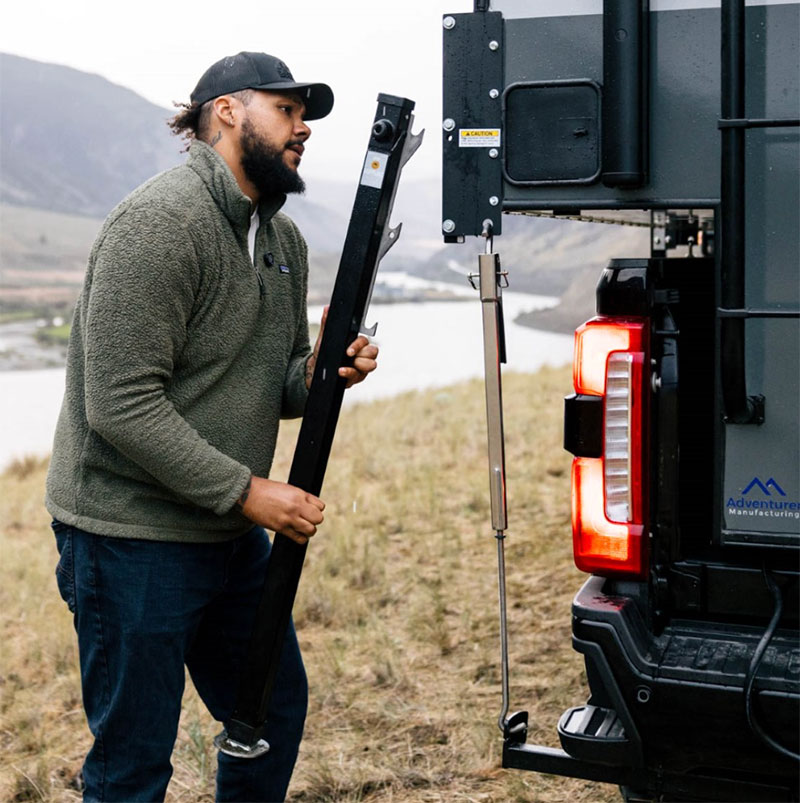
The 2027 Adventurer 80RB is getting removable jacks, a larger battery box, a Lagun table mount, and a foot locker. How do the removable jacks work?
For 2027, the 80RB utilizes removable Happijac corner jacks. The jacks use a simple hook and pin system to come on and off.
The 2027 Adventurer announcement didn’t include information on the Adventurer 86FB. Is that camper being discontinued?
We’ll always evaluate the lineup based on customer demand and evolving market needs. Right now, our primary focus is on the models included in this release, while some other models are essentially being put on watch as we continue building out the updated lineup over the next several months. That said, the expectation is that these updates and improvements will continue to expand across additional models moving forward.
Promotional video produced by Adventurer Manufacturing
Is there anything else you would like to add about the 2027 Adventurer updates?
Since many of us joined the company, there’s been consistent feedback from both dealers and customers asking for a renewed investment in the Adventurer lineup. Scout has received a lot of attention and innovation over the past several years, and we knew it was time to bring that same level of energy and evolution to Adventurer.
At the same time, this update is about evolving Adventurer without losing what made customers trust the brand in the first place. Our focus was on durability, usability, true four-season capability, and the long-term ownership experience. The campers certainly look more modern, but more importantly, the materials and systems were chosen to improve real-world performance and longevity. There’s a genuine sense of excitement internally about where Adventurer is headed and what this product line can become moving forward.
“Our focus was on durability, usability, true four-season capability, and the long-term ownership experience.”
What’s next at Adventurer? Any new Scout or Adventurer announcements you can tease?
We’re a manufacturer first and foremost, and continuous improvement and innovation are always a major focus for us. Customers can expect us to keep evolving Adventurer, Eagle Cap, Scout, and Overlander Campers with significant updates, new ideas, and ongoing refinements across all of our product lines.
For more information about the 2027 Adventurer truck camper line, visit the Adventurer website at adventurercampers.com. Click here for a free Adventurer brochure.