From a free overnight stay beside a Wyoming creek to a cheap parking area in a major town, here are five of our favorite city parks, including one unforgettable stay with full hookups for free.
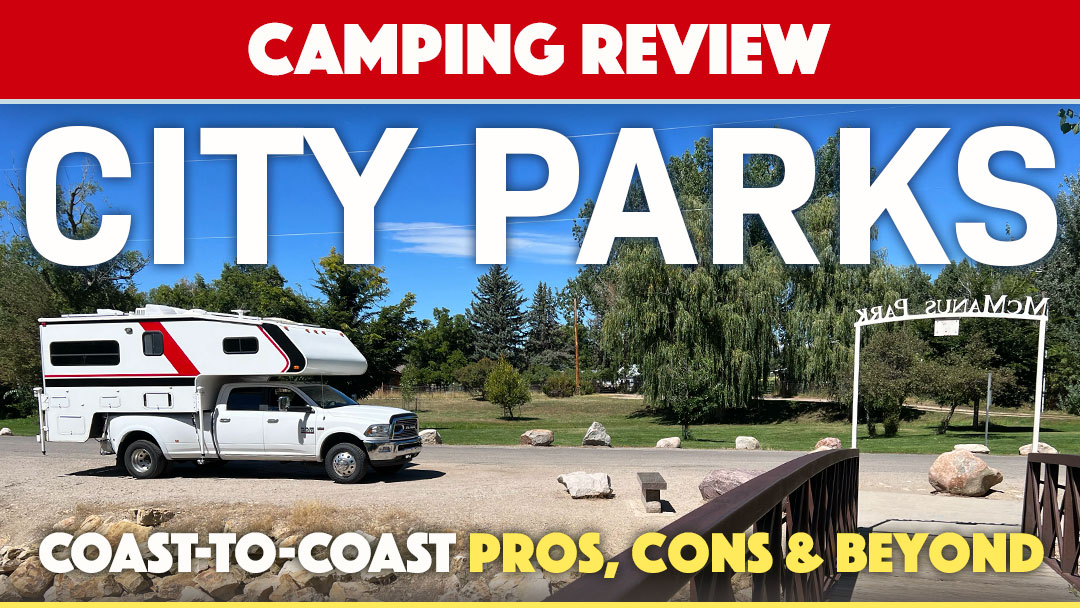
When most truck campers think about camping, they picture boondocking in beautiful locations, private campgrounds, national forests, state and national parks. Another option that often gets overlooked is city parks. Over the years, Gordon and I have discovered that some of the best overnight stops are located in the middle of a small town, often for a fraction of the cost of a private campground.
Some city parks are simple overnight spots. Others offer water, electricity, dump stations, and even full hookups. Best of all, they’re often within walking distance of local restaurants, museums, grocery stores, and the kinds of places that help you experience a town and its culture instead of just driving through.
When I say city park, I am not talking about Phoenix, Los Angeles, or Chicago. I’m talking about Muleshoe, Texas, Choteau, Montana and Lander, Wyoming.
Municipal parks or city parks are what they’re often called, even though they are usually in small towns. They usually only have a few spots, have minimal camping amenities, and are more affordable than nearby private campgrounds. Sometimes there will be water, electric, a dump and trash available in the park, but most of the time, it’s just a spot where RVers can stay overnight.
Being in town, you get to know the local area through visiting its shops, thrift stores, restaurants, and grocery stores. These are places where road magic often happens.
One time we arrived in town just as a farmers market was setting up nearby. There was live music and local vendors that we never would have discovered otherwise. Other times we’ve stumbled across fantastic restaurants and thrift stores. That’s one of the joys of city parks; you never know what you’ll find when you’re camping right in the middle of town.
We have camped in dozens of city parks across the United States and Canada. Every location I’m sharing today is one we’ve visited in our truck camper since becoming truck camper owners in 2005.
What a gem! This is one that you will want to pin to your Google My Map. It’s called the Ray and Donna West Free RV Park and it’s in Muleshoe, Texas.
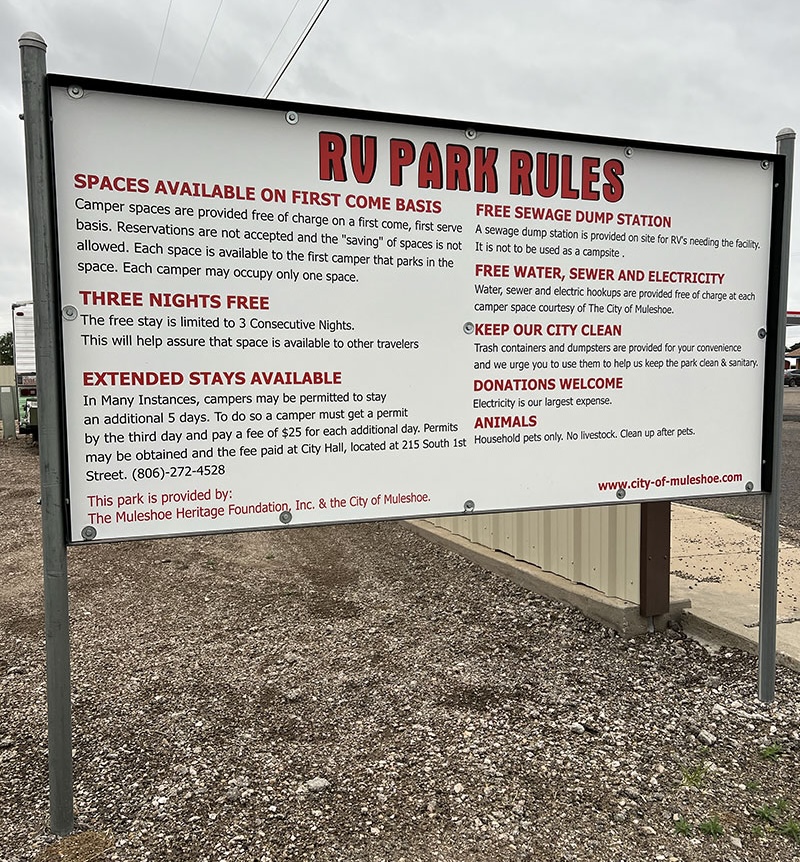
You’re probably not going to believe this, but this free RV park has full hookups. It’s first-come, first serve. There are eight sites with 30 and 50 amp outlets, water spigots at each site, sewer, trash facilities, and a picnic table.
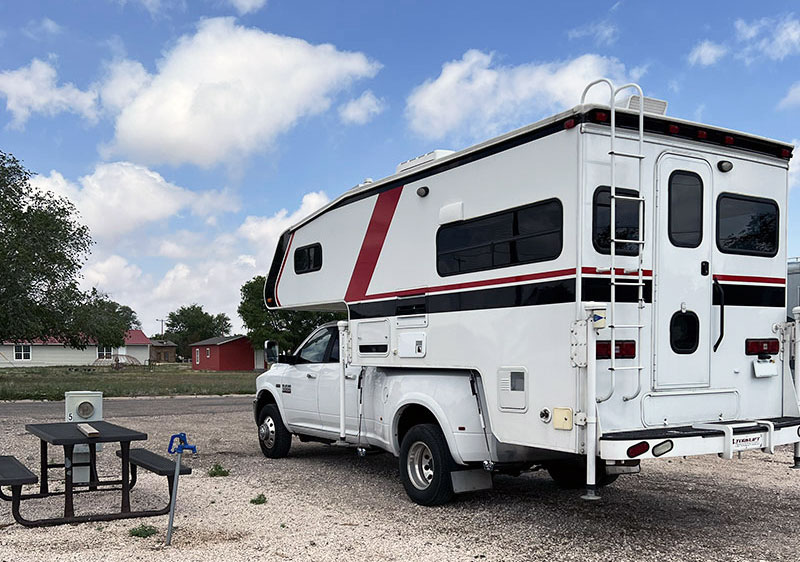
They are also level sites. You know those campgrounds that you pay $40 or $50 a night for and they’re unlevel? We had a good friend who used to say, “One job of a campground is to give you a level site. And most don’t”. Well, this free campground does.
You can stay for free for up to three consecutive nights. On the City of Muleshoe’s website, it says that campers may be allowed to stay an additional five days. You just need to get a permit at Muleshoe City Hall by the third day and pay a fee of $25 for each additional day. So, if you need to stay longer, you can.
While we were there, we talked about how the free campground was a fantastic way for the town to attract RVers. By having the Heritage Foundation in Muleshoe operate the campground, the heritage center—and it’s “World’s Largest Muleshoe”—can be discovered again and again by folks traveling the country. We were very impressed by their generosity.
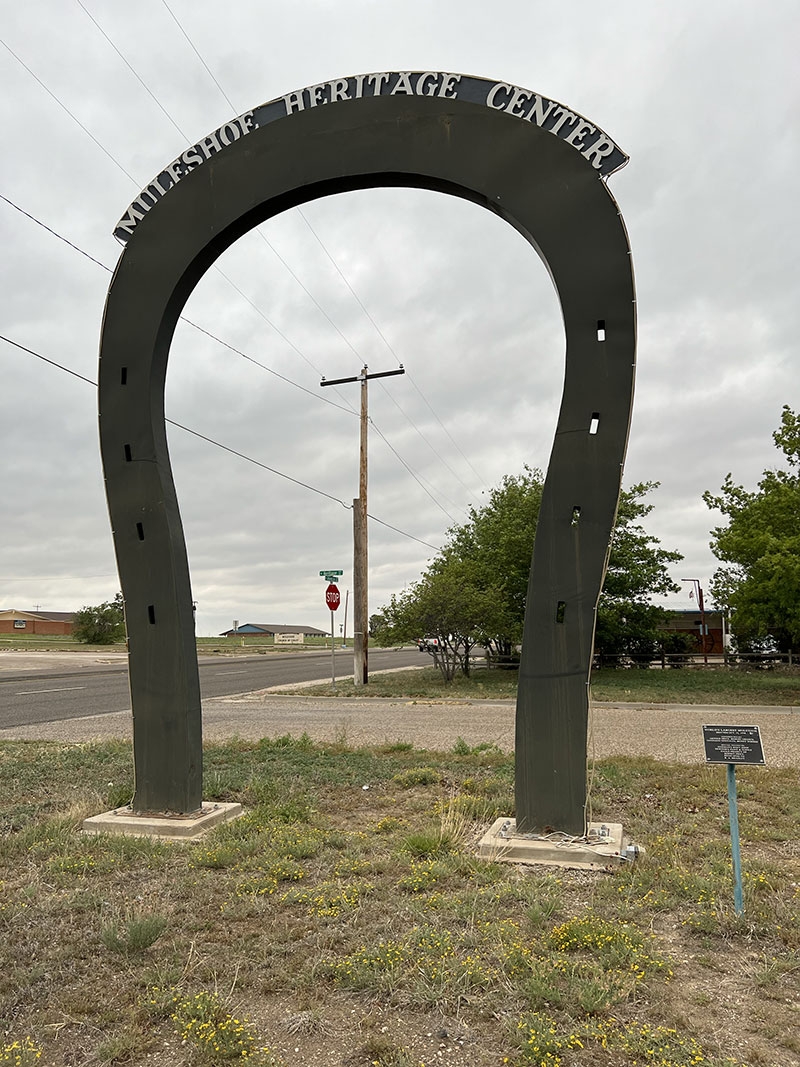
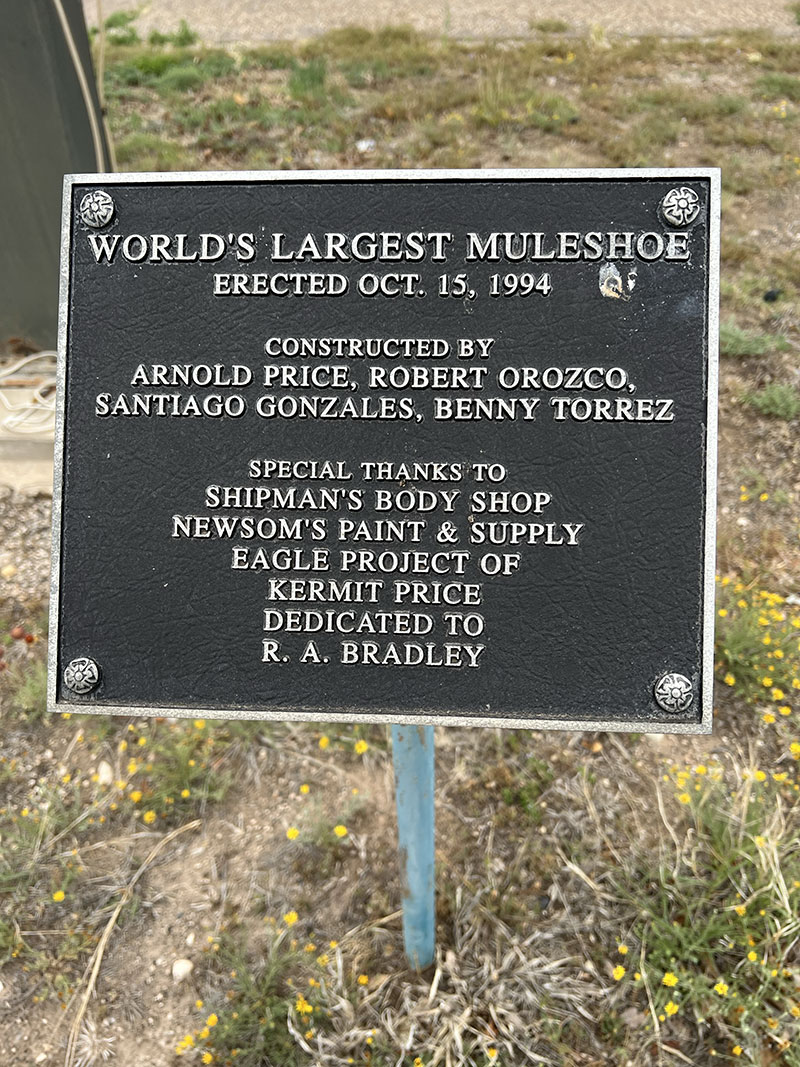
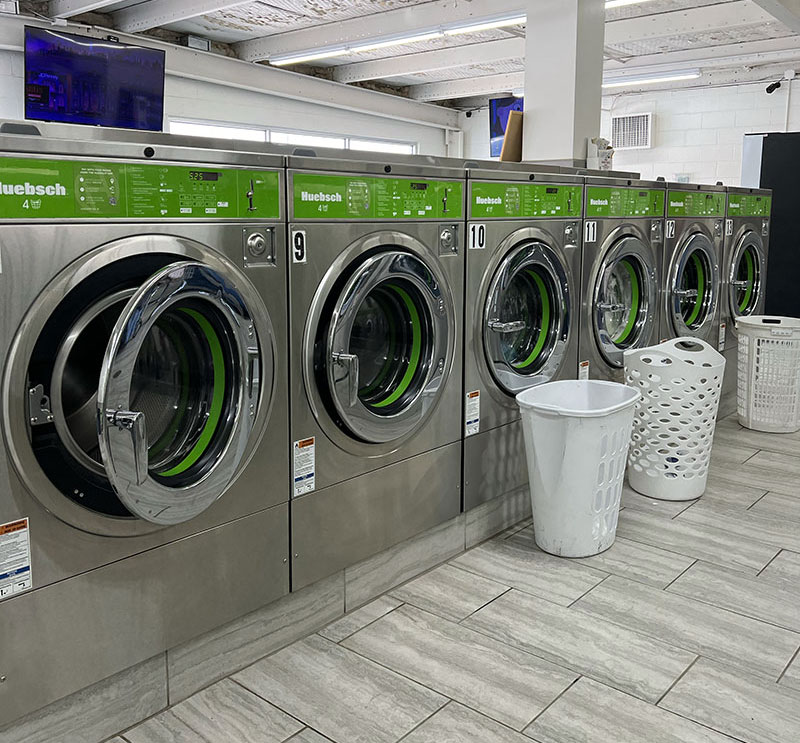
Since it was in a small town, it was near amenities like grocery stores, fuel stations, and laundromats. Some we could walk to and others were a mile or so away.
The only downside was the bar across the street that had music playing late into the night. When we closed the windows, it blocked out most of the noise, but it could be a bit of a distraction for some people.
It was also a very simple campground. Don’t expect anything fancy. But for free, it was fantastic. We did leave some money in the donation box to pay for the electricity and water we used during our stay.
We needed a place to stay overnight while traveling between Grand Teton National Park and Overland Expo Mountain West in Loveland, Colorado. The city park in Lander, Wyoming was perfect, right next to a creek and free.
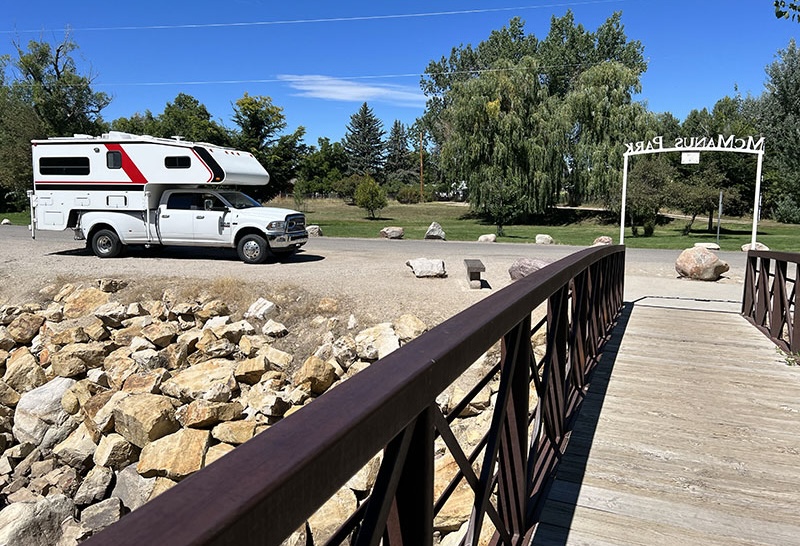
There is an area of McManus Park that is specifically for about twenty RVs to camp overnight. Don’t you wish every town had a campground like this?
Choteau City Park sticks out because it was cheap and we walked into town. About a quarter-mile away was Rex’s Market, and just past that was the town center with a fun thrift store.
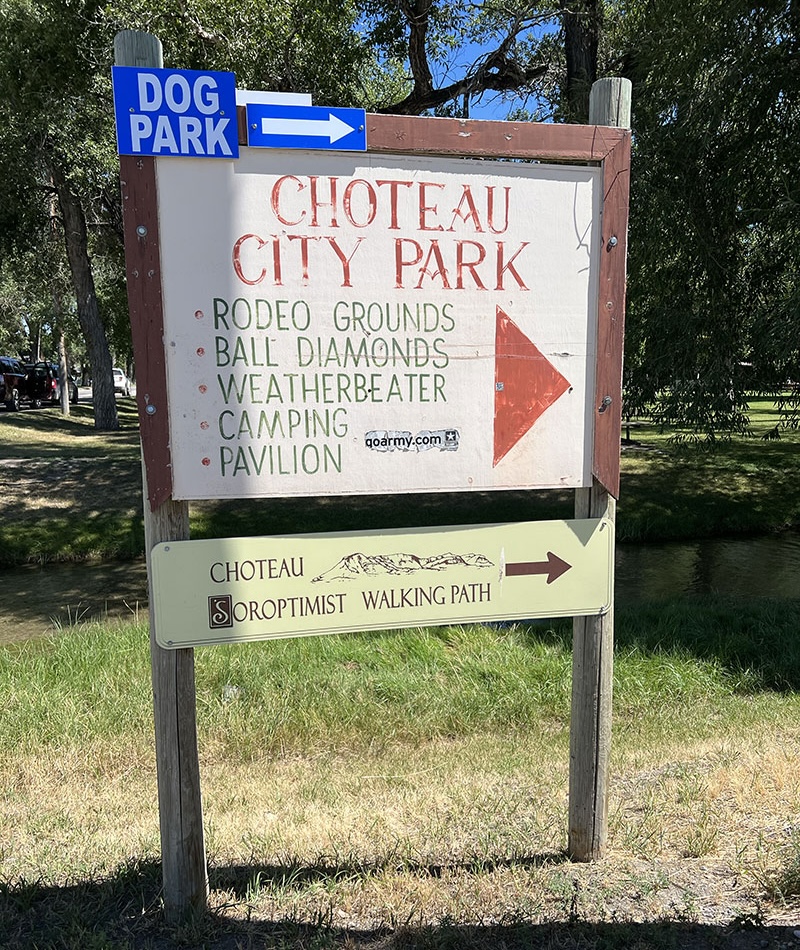
It’s a first come, first serve self-pay park that’s $10 a night. We went in mid-August and it was not busy. We had no problem finding a level spot and stayed for two nights. There is a three night limit.
On the way out we used their dump station for $5 and filled our fresh water tank at the water spigot—another successful city park stay.
This one is not technically a park, but it’s in a city. It’s a cheap and safe overnight spot inside the city of Halifax. We’ve stayed here twice.
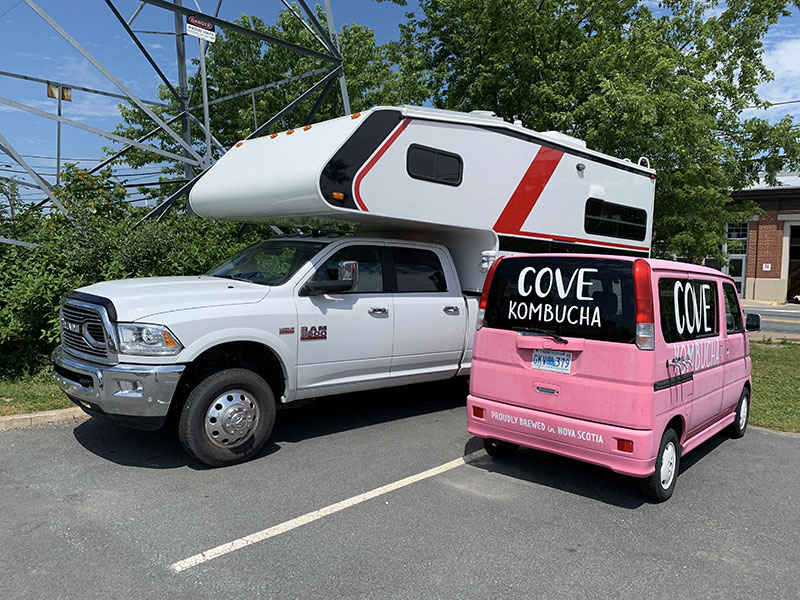
When you arrive, you pay via the kiosk in the parking lot or online. In Lots B, C, and D, you can stay for up to three nights.
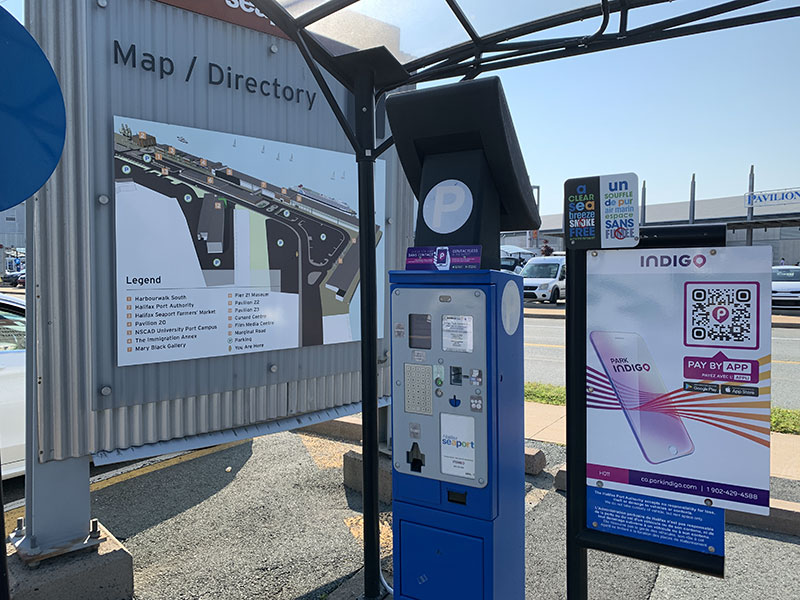
Our total in August of 2026 was $49 Canadian (about $35 USD at the time). That charge was the classification as an RV for three days and three nights.
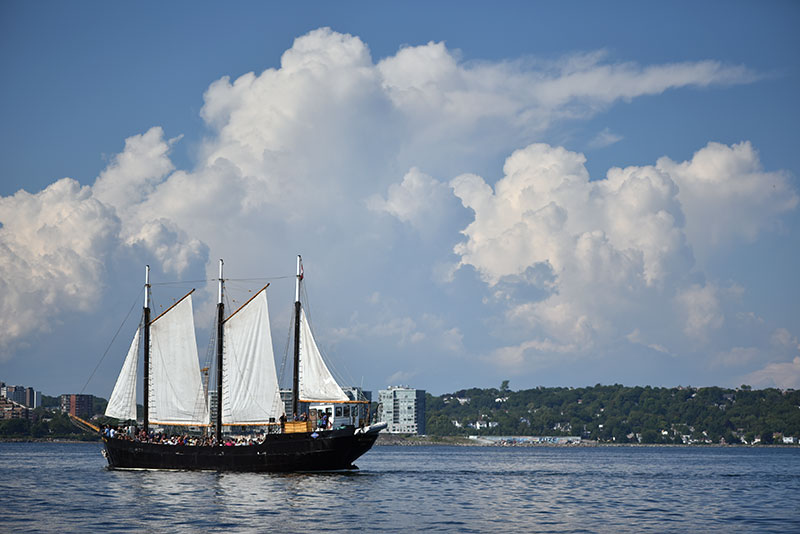
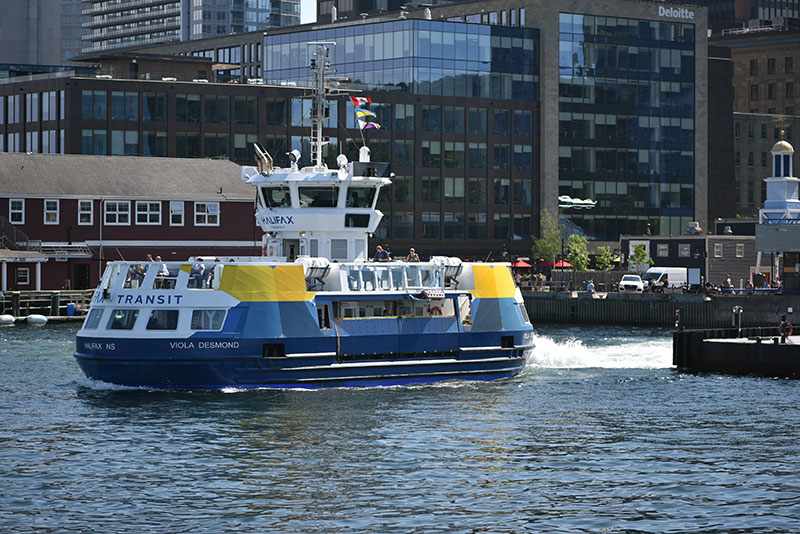
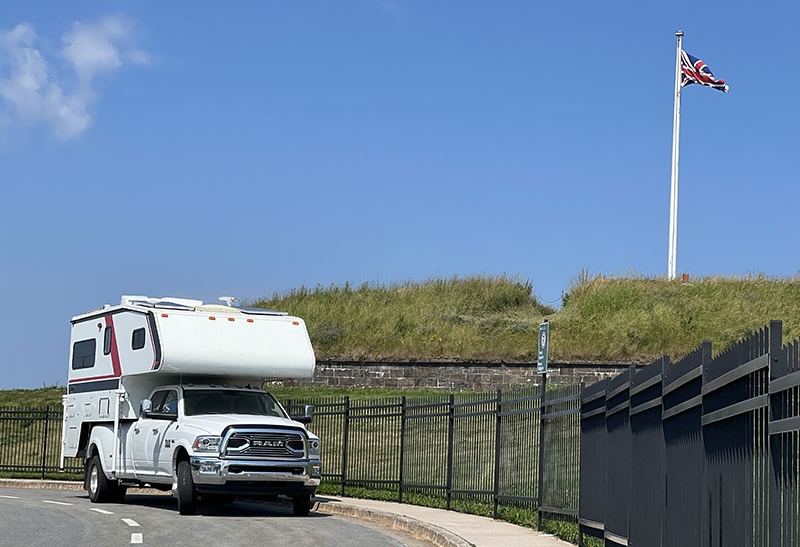
Staying for three nights gave us plenty of time to explore Halifax. We visited the Maritime Museum of the Atlantic, the USS Sackville, the Farmer’s Market (it runs on Saturdays), the Citadel, and took a ferry to Dartmouth without ever needing to move our rig.
Streeter Park is run by the city of Aurora. Unlike the other locations on this list, Streeter Park feels more like a traditional campground than a city park. You are off on your own in the park, and there are several campsites in a row.
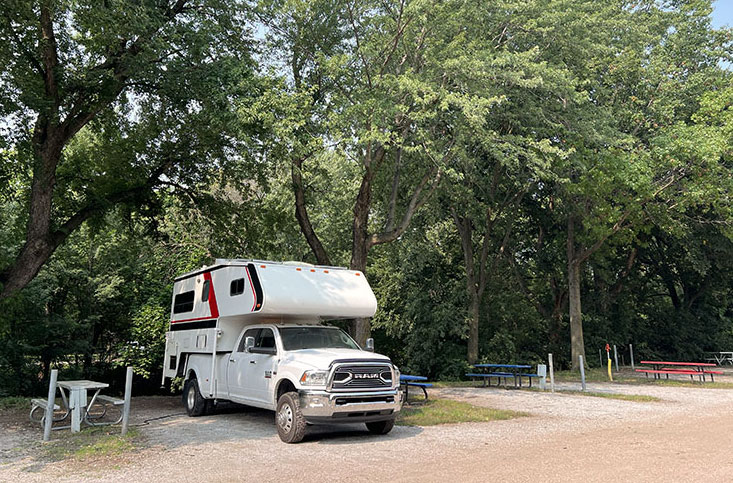
The price was right at $15 a night, and it was a quiet and safe spot for our work week. Streeter Park has electric and water at each campsite, and a dump and trash on site. It’s first-come, first-serve and you pay by putting cash or a check into a drop box.
The biggest challenge is finding the towns and cities that have these parks. Once you do, they’re often hidden treasures. I love that towns and cities across the United States and Canada have low cost, basic sites available. I wish they were in every town.
I’ve found city parks in a variety of ways. I discovered one on Harvest Hosts, one was on iOverlander, one a reader told us about, and the others we stumbled across during our travels. Keep your eye out and pin them on your Google My Map.
Pros of City Parks
Usually free or very low cost
Located near grocery stores, restaurants, laundromats, etc.
Easy way to walk around and get to know an area
Often quieter and less crowded than private campgrounds
Self-pay stations
Cons of City Parks
Most are first-come, first-serve, so you could be out of luck
Limited amenities compared to private campgrounds
Noise can be an issue because of fire departments or activities in town
There may be a lot of street lights
We’ve had some fantastic experiences staying at city parks because they are so close to town and are really fairly priced. Walking around after we arrive gives us a sense of the area and makes us connect to a town more.
We’d much rather be in a city park over a campground that has campsites so close that you can almost touch your neighbor’s RV. Private campgrounds are sometimes necessary, but most of the time we feel we are paying for amenities we don’t need.
So, would we recommend city parks? Absolutely! They aren’t fancy, and they rarely offer resort-style amenities. What they do offer is affordability, convenience, and a chance to experience the communities you’re traveling through.
Some of our favorite overnight stays have happened in city parks, and we’ll continue seeking them out wherever our travels take us.